What a Volunteer-Powered Stage on Cyprus Can Teach Struggling American Community Theatres
If you run a community theatre in Peoria, Pawtucket, or Poughkeepsie, you've probably had the same conversation a dozen times since 2020. The volunteer base has thinned. The board is tired. The season lineup feels like a gamble every single time.
Now picture a different scene: a small coastal town in Cyprus, where a community theatre runs year-round, casts actors in more than one language, and stages productions against a backdrop older than most nations. Paphos Theatre isn't just surviving — it's become a genuine draw for locals and tourists alike. And for American community theatres looking for a way forward, its playbook is worth studying.
Lesson One: Make the Location the Marketing
American community theatres tend to apologize for their venues — the converted church hall, the high school auditorium. Paphos Theatre does the opposite. It leans into the fact that it operates on an island where theatre has been performed for over two millennia.
The takeaway isn't "get ancient ruins." It's this: your town has something no other town has, and your programming should be built around it. A river town? Stage a river-themed season. A former mill town? Commission local writers to tell those stories. Location-specific identity is the one marketing asset community theatres have that touring productions can never replicate.
Lesson Two: Multilingual, Multigenerational Casting Widens the Net
One of the quiet innovations at Paphos is its casting approach. With Greek and English both in play — plus tourists in the audience — productions are often built to cross language lines, using physical comedy, music, and surtitles.
For American companies, the principle translates directly: think beyond your traditional audition pool. Paphos's casting calls pull in expats, seasonal workers, and visitors who decide, on a whim, to audition. Stateside, that might mean bilingual productions in communities where Spanish or Vietnamese or ASL is part of daily life — or simply being deliberate about recruiting volunteers who don't look like the last fifty years of your casting grid.
The practical move: hold auditions in different venues at different times. A Saturday matinee audition at the library catches people who'd never set foot in your theatre on a Tuesday night.
Lesson Three: A Small Committee Can Outrun a Big Board
Paphos Theatre runs on a lean committee structure — a handful of dedicated volunteers making programming, ticketing, and fundraising decisions quickly. Compare that to the American model of sprawling boards with monthly meetings, subcommittees, and motions that die in committee.
The Cypriot model works because authority is paired with accountability. The people who choose the season also help hang the lights. Decisions happen in days, not months.
For US theatres, a realistic adaptation: shrink your decision-making core for programming choices, and give that small group a clear mandate and a budget. Save the big board for governance and legal matters, not for debating whether the spring musical should be Godspell or Into the Woods.
Lesson Four: Ticket Strategy for Tourists and Townies Alike
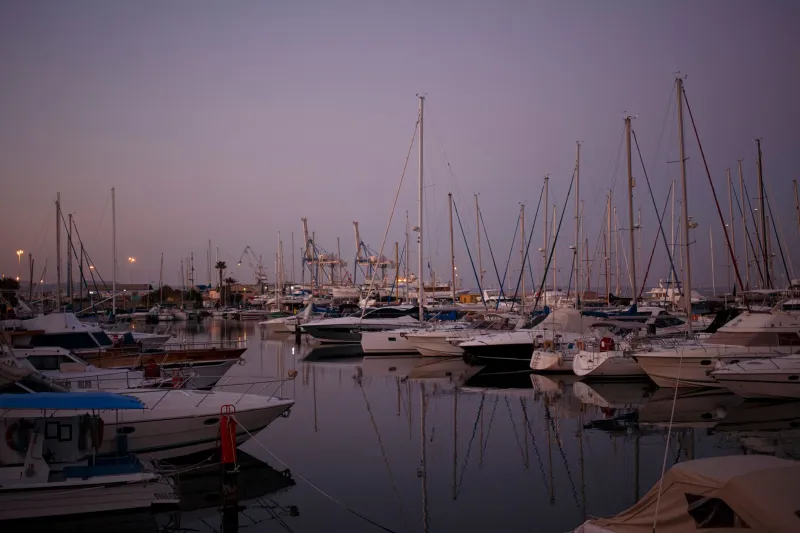
Paphos prices its tickets accessibly but treats tourists as a distinct audience — promoting through hotels, harbours, and visitor channels rather than waiting for foot traffic. Locals get season commitments; visitors get a memorable night out.
American community theatres, by contrast, often market to exactly one audience: their existing subscribers. Consider:
- Partnerships with local hotels, restaurants, and breweries — the same businesses your audience already visits.
- A "visitor ticket" tier marketed through the chamber of commerce and tourism sites.
- Show-adjacent experiences — a pre-show talk, a themed cocktail, a backstage moment — that turn a $15 ticket into a $40 evening.
Your town's out-of-town traffic is an audience you're almost certainly ignoring.
Lesson Five: Year-Round Beats Seasonal
Many American community theatres run three or four productions a year and go dark the rest of the time. Paphos keeps a pulse going year-round — readings, workshops, open auditions, youth programming — because momentum is easier to maintain than to rebuild.
In the off months, run staged readings. Host a monologue night at a local bar. Offer a two-hour audition workshop. Each small event keeps your volunteer roster warm and your name in the community feed, so when the next mainstage show opens, you're not starting from zero.
The Bigger Point
Nothing at Paphos Theatre requires ancient ruins, Mediterranean weather, or EU funding. What it requires is the thing American community theatre was built on: neighbors who believe a stage makes a town better, organized in a way that lets them move fast and invite everyone in.
The pandemic didn't kill community theatre in America. But it did clear the stage. What gets built on it next might look a little more like Paphos — smaller committees, broader casts, bolder local identity, and an open door that never quite closes.