Nervous in the Parking Lot? A Realistic Walkthrough of Auditioning by the Sea
There's a particular kind of quiet that happens in the parking lot outside an audition. You've rehearsed in the rental car. You've checked your reflection in the sun visor mirror twice. And now you're sitting there, keys in your lap, wondering if you should just drive back to the hotel and order room service instead.
We've all been there. Every single person who has ever graced our stage — the veterans with twenty shows under their belt, the retirees who stumbled into a musical on a whim — started exactly where you're sitting. So let's pull back the curtain on what really happens at a Paphos Theatre audition, step by step, no mystery required.
Before You Even Walk In
First things first: you don't need a monologue memorized, a headshot, or a drama degree. Our auditions are famously low-key. Wear something comfortable you can move in, bring a bottle of water, and show up about ten minutes early. That's it. That's the prep.
If you're an American traveler or expat who's been circling our listings for weeks, know that nobody expects you to have done this before. Some of our best performers walked in cold off a beach vacation and never left.
The Sign-In Table Is Friendlier Than It Looks
You'll be greeted at the door — usually by a volunteer with a clipboard and a genuinely warm smile. You'll fill out a short form: name, contact, any scheduling conflicts, and whether you have experience (writing "none" is completely fine; half the room will be writing it too).
This is also where the nerves start to dissolve, honestly. Because the person handing you the form? They were terrified in that parking lot last season. The vibe is less "Broadway cattle call" and more "community potluck with a stage."
Warm-Ups: Weird, Wonderful, Mandatory-ish
Before readings begin, the director usually leads the group through a few warm-ups. Think tongue twisters, silly stretching, maybe a game where you walk around the room and freeze when someone claps. Yes, it feels ridiculous. That's the point.
Warm-ups level the playing field. The seasoned local and the Ohio tourist who arrived twenty minutes ago are now both doing the same absurd thing, and suddenly nobody feels like an outsider.
The Read-Through: You Will Not Be Alone
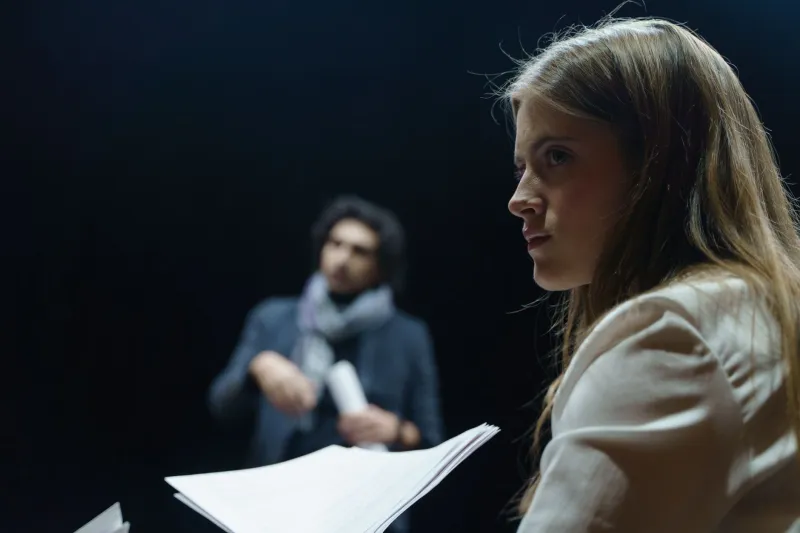
Here's what surprises most first-timers: you rarely read alone. Auditions at our theatre typically pair you up — sometimes with a committee member, sometimes with another hopeful — and hand you a short scene from the production. Nobody expects a performance. They're listening for voice, willingness, and whether you can take a direction.
And you will get a direction. Something like "try it again, but angrier" or "slower this time." This isn't a test you're failing. It's literally the whole exercise. Directors want to see that you can adjust. If you do the second take differently than the first, congratulations — you've already done the hardest part of acting.
What the Director Is Actually Looking For
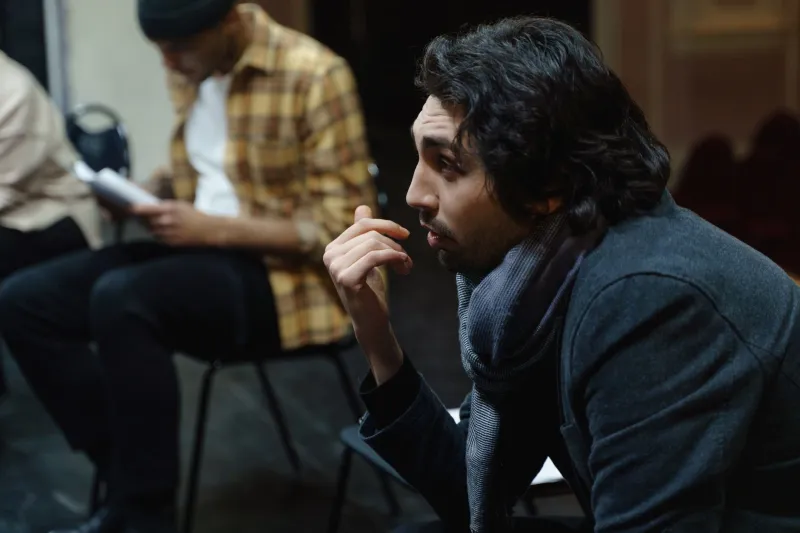
Let's demystify the people behind the table. They're not hunting for polished professionals. They're asking simple questions:
- Can this person be heard at the back of the room?
- Are they directable — do they respond to notes?
- Will they be fun to spend six weeks of rehearsals with?
That last one matters more than you'd think. Community theatre is a team sport. A generous, curious beginner often beats a talented diva, every single time.
The Waiting Game (and the Callback)
After the audition, you'll go home. Possibly to a hotel. Possibly to an apartment you only moved into last month. Then you wait — usually just a few days.
If you get a callback email or call, you'll come back and read for a specific role, maybe with a few more people. Sometimes there's a second callback. Sometimes you get cast straight from the first round. And sometimes you get the polite "we'd love to see you at the next audition" note — which, in community theatre, is a genuine invitation, not a brush-off. Plenty of our regulars were "not quite right" for show number one and absolutely magnetic in show number two.
If You Get the Part
Rehearsals run a few evenings a week, and the schedule is built around real lives — day jobs, kids, cruise arrivals. You'll get a script, a rehearsal calendar, and approximately seventeen new friends. By opening night, the parking lot nerves will feel like they happened to a different person.
So, About That Parking Lot
The only real difference between people who end up onstage and people who don't is that the first group got out of the car. If you're in Paphos — whether for two weeks or two decades — and you've ever wondered what it would feel like to hear an audience laugh at a line you delivered, this is your sign.
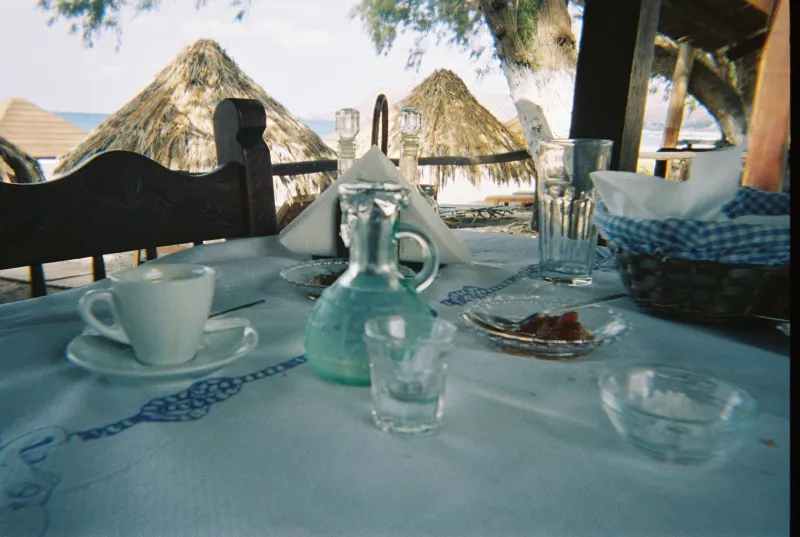
Check our current audition listings, pick a date, and come sit in the room. Worst case, you spend an evening doing silly warm-ups by the sea. Best case, you find out you've had a stage in you this whole time.