Plywood, Paint, and Sea Breeze: Inside the Scenic Magic of Paphos Theatre
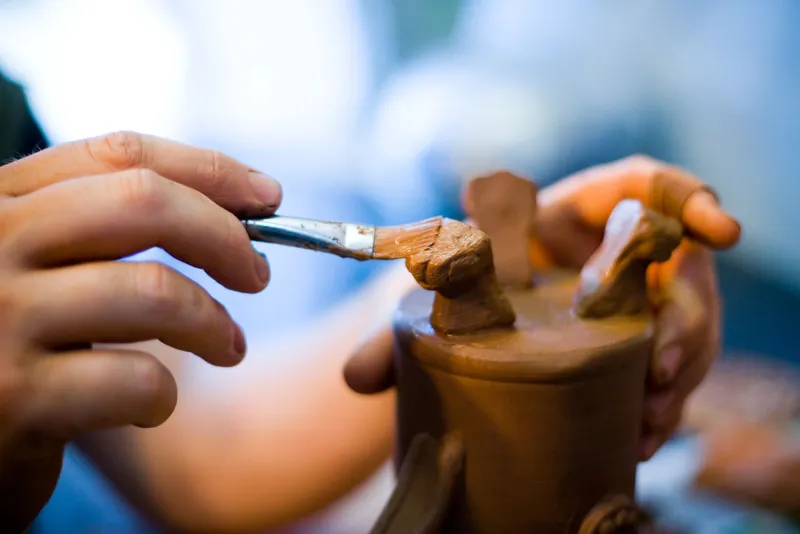
There's a moment, about an hour before curtain, when the Paphos Theatre backstage smells like a strange cocktail of sawdust, spray adhesive, and salt air. That's when you'll find Elena Christou on her knees with a stencil, turning a sheet of insulation board into a slab of Trojan marble.
"People think we order this stuff," she laughs, waving a paint-crusted hand at a wall that will convince 200 audience members they're looking at the gates of Troy. "We build it. That's the whole secret."
A Stage with the Best Free Backdrop in the World
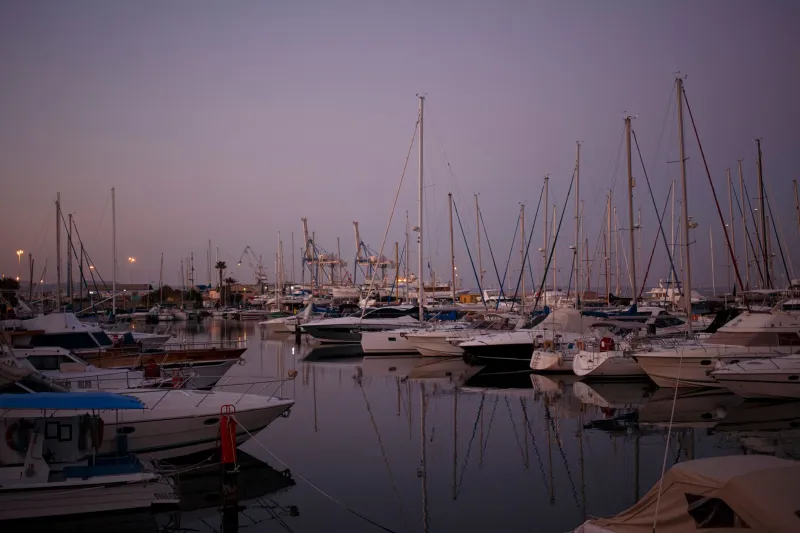
Our theatre sits close enough to the harbor that, on calm nights, you can hear the water during quiet scenes. For years, that was considered a nuisance. Then our design team flipped the script: instead of fighting the Mediterranean, they started using it.
For last spring's production of The Tempest, the storm that wrecks Prospero's ship wasn't painted at all. The set faced an open backdrop of sky, and the lighting designer synced a pulsing blue wash with an actual wind machine borrowed from a local fisherman's drying shed. The real sea, glinting beyond the stage, did the rest.
"In Ohio, you'd have to fake the ocean," says set builder Marcus Vogel, an American expat who joined the crew three seasons ago. "Here, we get the ocean thrown in. My job is mostly not to compete with it."
That philosophy — let the location do the heavy lifting — shapes everything the team builds. A few weathered shutters and a hanging vine suggest a Cypriot hillside village. A single gondola pole and striped awning, and suddenly we're in Venice.
Building Troy Out of Trash (Well, Almost)
This season's biggest challenge: Troy, Burning, an original retelling of the Trojan War staged outdoors in our courtyard. The budget for scenery? Roughly the cost of a nice dinner for two.
Here's how the team stretched it:
- Insulation board instead of lumber. Rigid foam sheets, painted with layered washes, read as stone from the tenth row. At about a quarter the weight and price of plywood, they're a community-theatre staple for good reason.
- Thrifted fabric for banners. The crimson Trojan banners started life as discounted bedsheets from the Paphos municipal market, tea-stained in a bathtub and ripped by hand for that battle-worn edge.
- A paint library, not a paint budget. Elena keeps a running inventory of every can in the shop. "Half the battle is knowing you already own the ochre," she says.
- Texture by found object. The cracks in Troy's walls? Pressed in with crumpled foil and a scrubbing sponge while the base coat was still tacky. Cost: nothing.
The result is a set that photographs like a film production and cost less than the cast party.
From the Aegean to the Jazz Age in One Weekend
The real test of any scenic team is the quick turnaround. Two seasons ago, we closed a Greek-island comedy on Saturday night and opened a 1920s Manhattan musical the following Friday.
The trick, Marcus explains, is designing in layers. "We build a neutral base — big flats, reversible units — and treat the paint like a costume change. Saturday night, the flats are whitewashed island walls. By Tuesday, they've been rolled over with a charcoal-and-brick technique and suddenly they're a speakeasy."
The Art Deco chandeliers for the Manhattan show? Plastic picnicware, hot-glued in tiers and sprayed gold. The team calls it "the champagne flute chandelier," and patrons still ask where we rented it.
Four Tips for Small-Budget Stages Anywhere
We asked Elena and Marcus what advice they'd offer to volunteer crews at community theatres back in the States — the folks working out of church basements and converted VFW halls from Ohio to Oregon.
1. Design for the camera of the audience's memory, not for close-ups. Bold shapes and strong color contrasts read better from row twenty than intricate detail. Spend your hours on silhouette, not trim.
2. Steal from your landscape. Every region has a free material palette — driftwood, barn wood, river stone, kelp. Paphos builds with sun-bleached olive wood; you build with whatever your backyard gives you.
3. Make friends with the local hardware store. Our team gets mis-tinted paint for pennies. American crews can do the same — and don't overlook restaurant supply shops for fabric and foam.
4. Never build what you can suggest. A single lamppost and a fog machine say "Paris street" faster and cheaper than a full façade ever will.
Come See the Trick in Person
Troy, Burning runs through the end of the month, and the courtyard set looks best at dusk, when the paint fades and the real sky takes over. Tickets are on sale now — and if you linger after the show, you might catch Elena already sketching the next world we'll conjure out of plywood, paint, and sea breeze.